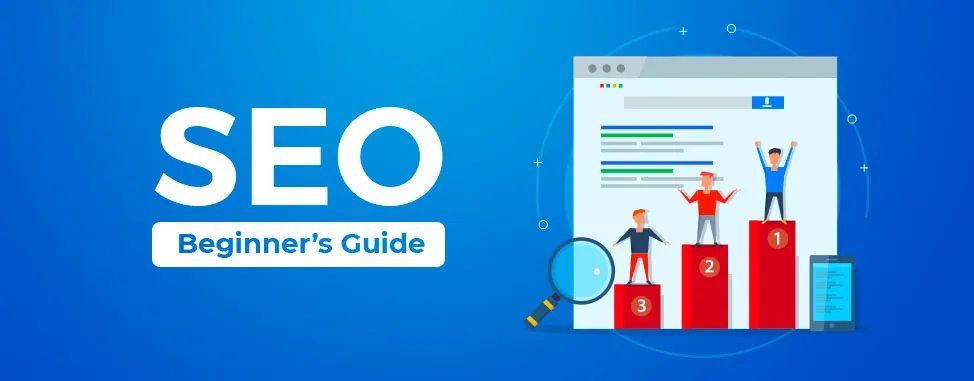
Dominate Search Results: The Beginner's Guide to SEO
SEO is a known term, especially in the digital domain, and you
likely know it
stands for ‘Search Engine Optimization.’ However, merely knowing its meaning will not
guarantee you rank
your website on Google. SEO is a tool that, if used well, can help you reach the top of
a result page,
which is ultimately the goal of any business. Because 75% of users never scroll past the
first page of
search results.
And furthermore, understanding SEO is not a one-time job, it is a
constant
endeavour that is filled with ever-changing algorithms and updates. You need to be on
your top game to
achieve SEO mastery—and that is exactly what we will learn in this blog
today.
What is Search
Engine Optimisation?
We are not going to cover what it stands for but rather what it
does. Simply
put, search engine optimisation is a tool that helps you rank your website on search
engines; and when
we say rank, we literally mean it. If you are a business owner, you would want your
website to pop-up on
Google’s first result page so that you get maximum traffic on your webpage. The idea is
to be visible on
Google when anyone searches anything related to your business. And this is achieved by
using relevant
keywords which are SEO friendly.
Why is it important?
Even the best website
with
out-of-the-box content and top-quality products won't reach its full potential without a
strong SEO
strategy. It's like barking up the wrong tree. On the other hand, a website with average
content and a
basic design can still see significant traffic with a well-executed SEO plan. This
highlights the
undeniable importance of a well-crafted SEO strategy.
What are the new
updates?
As part of the
March 2024 core update and spam policy changes announced on March 5th, Google has made
changes to target
specific kinds of low-quality content. Imagine someone adding unrelated content to your
website, like
reviews for payday loans on an educational site! Google is cracking down on this kind of
‘sneak attack’
content, called ‘parasite SEO’ by some.
But what does this mean for website
owners?
Moving
forward, Google will be taking action against websites that host this type of
third-party spam content.
These actions can be automated or manual, depending on the severity of the
issue.
Here's what
you, as a website owner, can do:
Maintain control over your website content: Be aware
of what's being
published on your site. If you're unsure about the origin or purpose of certain content,
investigate
further.
Review your contributor guidelines: If you accept guest posts or other forms
of third-party
content, ensure your guidelines clearly outline your expectations regarding content
quality and
relevance.
Monitor your backlinks: While Google is targeting third-party content
hosted on your site,
it's also worth monitoring your backlinks for any suspicious activity.
By staying
vigilant and
maintaining control over your content, you can help ensure your website continues to
rank well in search
results and avoids potential penalties from Google.
Conclusion:
This
beginner's guide to SEO
has equipped you with the basics: what SEO does, why it matters, and even how to stay
up-to-date with
Google's ever-changing algorithms. However, you need to remember that SEO is a
continuous journey, and
by utilising relevant keywords, creating high-quality content, and staying vigilant
about your website's
content, you're well on your way to dominating search results and attracting those
valuable website
visitors.